By Siddaganga Real EstateUpdated 9 min read
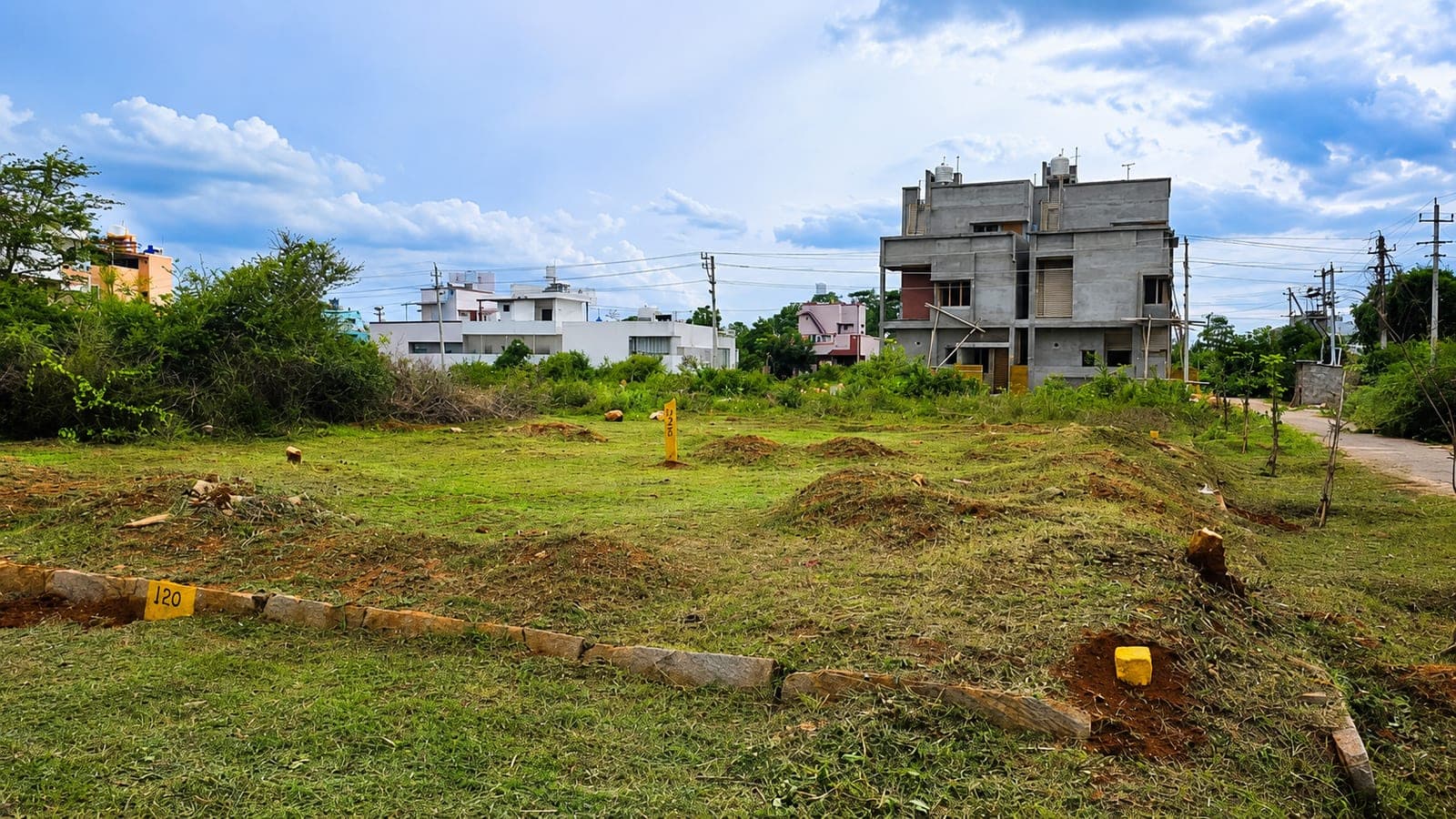
Buying a plot or site in Mysuru is one of the most rewarding decisions a family can make — but it is also one where a little knowledge goes a long way. The single most important phrase you will hear again and again is "MUDA-approved." It matters because it tells you the land has been planned and sanctioned for residential use by the city's development authority, rather than being an unapproved or agricultural patch that simply looks attractive on a site visit. This guide explains, in plain language, what MUDA approval means, why it protects you, and the practical steps to verify a property before you pay. Whether you are buying your first homesite or adding a long-term investment, the goal is the same: a clear-title, legally sound property you can hold and build on with complete peace of mind.
What MUDA Approval Actually Means
MUDA stands for the Mysuru Urban Development Authority — the body responsible for planning and approving residential layouts and sites in and around Mysuru. When a layout is described as "MUDA-approved," it means the authority has examined and sanctioned the layout plan: the land has been earmarked for residential use, the internal roads and dimensions follow the approved plan, and space has been set aside for civic essentials such as roads, drains and common areas as required.
In practical terms, approval is your assurance that the plot is meant to be built on and lived in. An unapproved or "revenue" site may be cheaper and look identical on the ground, but it can carry serious risks — difficulty getting a building plan sanctioned, problems obtaining water and electricity connections, trouble securing a home loan, and weaker resale value. The approval is not a marketing label; it is a layer of legal and planning protection that follows the property for years. Always treat "MUDA-approved" as something to be verified on paper, not simply accepted on word.
Why Approved, Clear-Title Plots Are Worth It
It is tempting to compare two plots purely on price per square foot. But an approved, clear-title site and an unapproved one are not the same product, even if they sit side by side. Approved plots are generally easier to finance, easier to register, easier to build on, and easier to sell later — because the next buyer, and their bank, will ask the same questions you should be asking now.
A "clear title" simply means the seller genuinely owns the property and has the legal right to sell it, with no hidden disputes, loans or claims attached to it. A property can be MUDA-approved and still have a title problem — for example, an unpaid loan registered against it or a family ownership dispute. So approval and clear title are two separate checks, and a careful buyer confirms both. Spending a little more for a property that ticks both boxes usually saves a great deal of money, time and stress down the line.
The Key Documents to Check Before You Buy
You do not need to be a lawyer to be a careful buyer — you just need to know which documents to ask for and have them verified by a professional. While the exact paperwork can vary from property to property, the following are commonly important for a MUDA-approved site in Mysuru:
- Approved layout plan and the MUDA sanction or allotment papers, confirming the layout and your specific plot number are part of the approval.
- Title deed and the chain of previous ownership documents, showing how ownership has passed over the years up to the current seller.
- Encumbrance Certificate (EC), which reveals whether any loan, mortgage or legal charge is registered against the property over a given period.
- Khata / e-Khata, the property record used for tax and ownership purposes, with up-to-date tax-paid receipts.
- Identity and ownership proof of the seller, and a No-Objection Certificate or release where a property was previously mortgaged.
The right approach is to collect copies, then have them cross-checked — ideally by a property lawyer and an experienced local advisor — before any token or advance changes hands. If a seller is reluctant to share documents for verification, treat that as a warning sign rather than a minor inconvenience.
Understanding e-Khata and Property Records
Khata is essentially the municipal record that identifies a property and the person responsible for paying its property tax. e-Khata is the digital or electronic version of this record used under Karnataka's municipal systems, including those administered for Mysuru. Think of it as the property's official identity in the civic system: it links the site to its owner for tax and ownership purposes.
For a buyer, two things matter. First, that a valid Khata/e-Khata exists in proper form for the property. Second, that after you purchase, the record is transferred ("mutated") into your name so future tax receipts and dealings reflect your ownership. Property records, tax dues and the e-Khata status are worth checking carefully, because an outstanding due or a record still in a previous owner's name can cause avoidable delays later. The specifics of the e-Khata process can change over time and from case to case, so it is sensible to confirm the current requirements rather than rely on old information.
From Site Visit to Registration: The Typical Journey
Every purchase is a little different, but most plot purchases in Mysuru follow a recognisable path. Knowing the sequence helps you stay calm and in control.
- Shortlist and visit: identify approved sites that fit your budget, location preference and purpose, and visit in person to check the actual plot, surroundings and access.
- Document verification: gather the layout approval, title chain, EC, Khata/e-Khata and tax receipts, and have them independently checked before committing.
- Agreement and advance: once you are satisfied, the terms are recorded — often in a sale agreement — and a token or advance may be paid as agreed.
- Registration: the sale deed is executed and registered at the sub-registrar's office, where applicable charges such as stamp duty and registration fees are paid. These charges are set by the government and can change, so confirm the current rates at the time of purchase rather than assuming a fixed figure.
- Mutation and updates: after registration, get the Khata/e-Khata transferred into your name and ensure records reflect you as the owner.
Do not feel rushed at any stage. A trustworthy seller or advisor will give you the time and the paperwork to satisfy yourself before money moves.
Home Loans and Buying With Finance
Many buyers purchase plots and homes with the help of a loan, and approved, clear-title properties make this far smoother. Banks and housing finance companies generally prefer lending against properties with proper approvals and clean documentation, because it reduces their risk too — so the same checks that protect you also help your loan application.
It is important to be honest about the variables here. Loan eligibility, the amount you can borrow, interest rates and the documents required all vary by lender, by the type of property, and by your own income and credit profile. There is no single rate or rule that applies to everyone, and these things change over time. The practical advice is to get your documents in order early, compare a few lenders, and ask each one clearly about their terms for the specific property you are considering. Good guidance at this stage can save both money and frustration.
Common Red Flags and How Siddaganga Real Estate Can Help
A few warning signs are worth committing to memory. Be cautious if a deal feels unusually cheap for the area, if the seller avoids sharing documents for verification, if the plot on the ground does not match the approved layout, if there are pending dues or an unclear ownership chain, or if you are being pressured to pay quickly "before someone else takes it." None of these automatically mean fraud — but each is a reason to slow down and verify properly before paying.
This is where working with an established local firm makes a genuine difference. Siddaganga Real Estate has been helping families and investors across Mysuru for over twelve years, with a focus on MUDA-approved, clear-title properties backed by complete legal verification. Based on Akkamahadevi Road in E-Block, JP Nagar, the team can help you find suitable approved plots and sites, check documents and e-Khata, guide you through registration, and assist with home loans — at a pace that suits you, without pressure. If you are planning to buy a plot or site in Mysuru and want a careful, honest second opinion, it is worth having a conversation before you commit.
Frequently asked questions
- What does it mean when a plot is "MUDA-approved"?
- It means the Mysuru Urban Development Authority has examined and sanctioned the layout the plot belongs to, earmarking it for residential use with the required provision for roads, drains and common areas. In practice, approval makes a plot easier to build on, finance, register and resell. It is best confirmed by checking the actual approval and allotment papers rather than relying on a verbal assurance.
- Is a MUDA-approved plot automatically safe to buy?
- Not on its own. Approval confirms the layout is sanctioned, but you also need to confirm clear title — that the seller genuinely owns the property with no hidden loans, dues or disputes. Approval and title are two separate checks, so a careful buyer verifies both, ideally with help from a property lawyer and an experienced local advisor before paying.
- What is e-Khata and why does it matter for buyers?
- e-Khata is the digital or electronic version of the Khata property record used under Karnataka's municipal systems, including for Mysuru. It links a property to its owner for tax and ownership purposes. As a buyer you should confirm a valid e-Khata exists and that, after purchase, the record is transferred into your name. Requirements can change over time, so it is wise to confirm the current process.
- What documents should I check before buying a plot in Mysuru?
- Commonly important documents include the approved layout plan and MUDA sanction or allotment papers, the title deed and prior ownership chain, the Encumbrance Certificate, the Khata or e-Khata with tax-paid receipts, and the seller's identity and ownership proof. Collect copies and have them independently verified before any token or advance changes hands.
- Can I buy a MUDA-approved plot with a home loan?
- Often yes, and approved, clear-title properties tend to make the loan process smoother because lenders prefer well-documented properties. That said, loan eligibility, amount, interest rates and required documents vary by bank and by your income and credit profile, and they change over time. It is best to get your documents ready early and compare a few lenders for the specific property you have in mind.
This guide is general information, not legal, tax or financial advice. Rules, rates and procedures change — confirm the current position with a property lawyer, chartered accountant or the relevant authority before you act.