By Siddaganga Real Estate4 min read
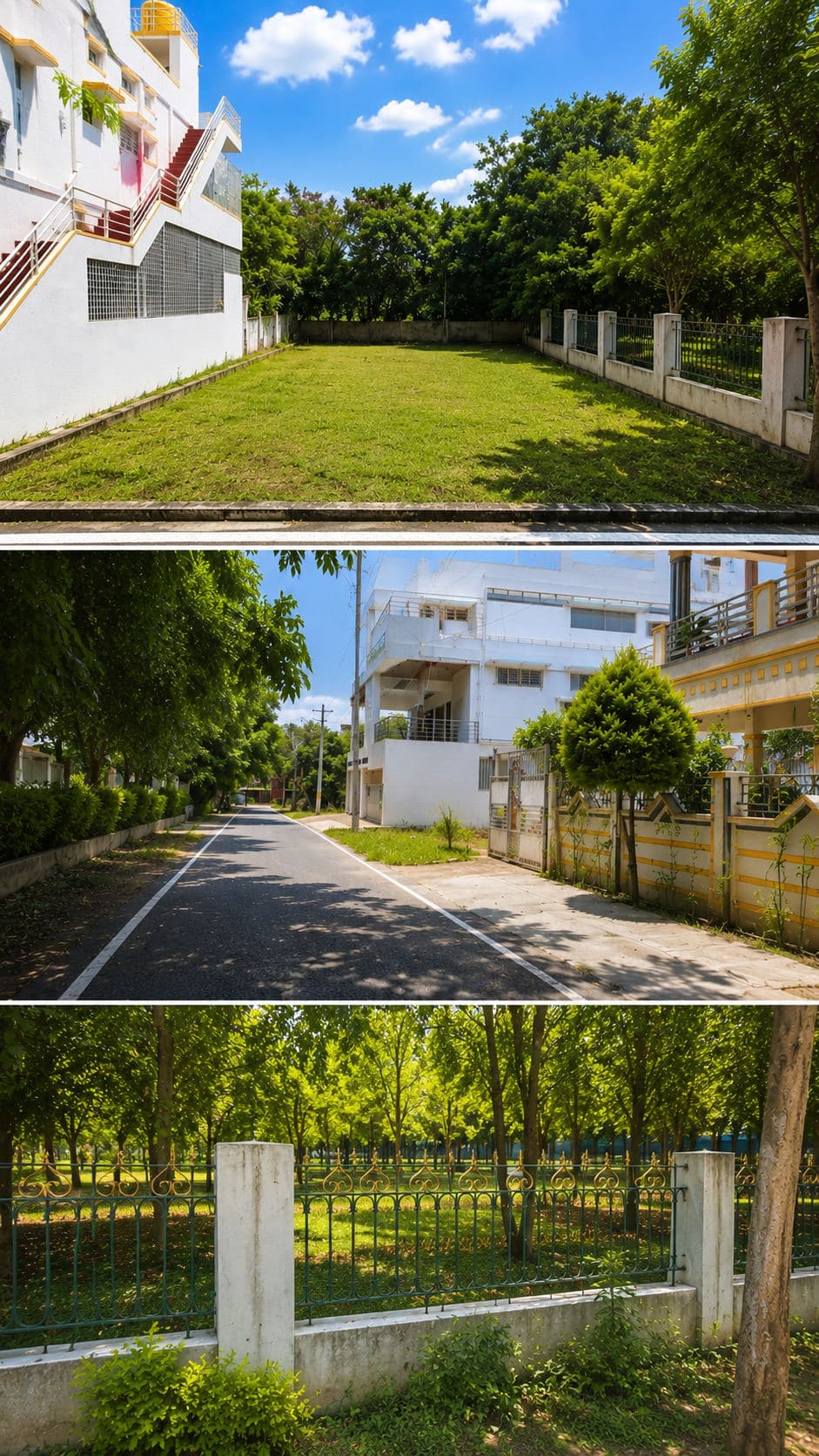
Whether to rent or buy in Mysuru is not really a question about the market. Nobody can reliably tell you where prices or rents are heading, and you don't need them to. What decides it is your own situation, and you can work that out at your own kitchen table with the questions below. When most of them point the same way, the decision tends to make itself.
How long will you stay?
Buying comes with one-time costs that renting does not: stamp duty and registration, legal fees, loan charges, the khata transfer, moving and setting up a home. You only earn those back by staying. Our guide to the hidden costs of buying property lists them all.
So start with time. If a job transfer is likely in the next couple of years, or you are not yet sure Mysuru is where you want to settle, renting keeps you free to move without having to sell first. If you expect to stay for many years — children in school here, parents nearby, work that is not going anywhere — the case for owning grows stronger.
Is your income steady enough for a long commitment?
A home loan runs for many years, and EMIs don't pause when a job does. Think honestly about how secure your work is, whether there is more than one earner in the household, and whether you would still have an emergency fund left after buying.
Lenders ask similar questions. They look mainly at your income, the EMIs you already pay, your age, the stability of your job and your credit score; our guide to home loan eligibility on your salary explains how they work it out. But what a bank will lend and what your household can comfortably carry are two different numbers. Decide by the second.
Is the money really ready?
A home loan covers only part of a property's value. RBI limits the share a lender may finance, and lenders may lend less, so the rest comes from your savings as a down payment. On top of that come the costs of buying, which usually come from savings too.
A useful test: add up the down payment, the costs of buying and a cushion for emergencies. If paying for all three would empty every account the family has, it is worth waiting a little longer, however good the property looks.
Would the EMI sit comfortably next to your rent?
This is where the decision becomes concrete. Take the loan you would actually need, ask a lender what rate it would offer you, and put both into our EMI calculator. Then set that EMI beside the rent you pay today.
Remember that owning adds costs that rent does not: property tax, repairs, insurance and, in a gated layout, maintenance charges. On a floating-rate loan the rate can also rise, so leave some headroom.
If the EMI is higher than your rent, try a simple rehearsal. For a few months, keep paying your rent and put the difference between the rent and the EMI into savings. If the household manages that without strain, it is a good sign, and the savings go towards your down payment. If it pinches every month, you have learned something valuable without signing anything.
Flexibility, or a place of your own?
Renting quietly gives you a lot. You can move when work moves, try a neighbourhood before committing to it, and, depending on your agreement, leave the big repairs to the landlord. Less of your money is tied up in one place.
Owning gives you different things. The repairs are yours — the leaking roof before the monsoon, the plumbing, the repainting — but so is the freedom to redo the kitchen, plant a garden or add a room for ageing parents, and no landlord can ask you to move out.
What does ownership mean to your family?
Not every part of this decision fits in a calculator, and it doesn't have to. For many families, a home of their own means security for parents in old age, a settled place for children to grow up, something to hand on. Those are real reasons, and it is fine to weigh them.
Just don't let them override the numbers. A home that stretches your finances to breaking point brings worry, not security. If your answers mostly point to "not yet", renting a little longer while you save is a perfectly sound decision. If they point to "yes", buy something that fits your needs and your budget, and check it thoroughly. When you get there, we are happy to walk you through the properties we have in Mysuru that fit the budget you have worked out.
Questions people ask
- Is it better to rent or buy a house in Mysuru?
- There is no answer that fits everyone, and it doesn't depend on predicting the market. Buying tends to make sense when you expect to stay for many years, your income is steady, the down payment and buying costs are ready without emptying your savings, and the EMI sits comfortably in your budget. If several of those are uncertain, renting while you save is a sound choice.
- How much down payment do I need to buy a home?
- It depends on the loan and the lender. At the time of writing, RBI allows home loans of up to 90% of the property's value for loans up to ₹30 lakh, 80% for loans above ₹30 lakh and up to ₹75 lakh, and 75% above ₹75 lakh. Lenders may lend less, and plot loans usually have lower limits. The rest is your down payment, and stamp duty, registration and other costs usually come from savings too.
Go deeper in our guides
General information, not legal, tax or financial advice. Confirm anything important with a property lawyer, chartered accountant or the relevant authority before you act.
More from the blog
All posts →
What Makes a Mysuru Neighbourhood Good for a Young Family
The right house on the wrong street is hard to love. A checklist for young families: the school run, safe roads, streetlights, water, neighbours, and when to visit before you choose.
· 5 minRead
Urgent Sale, Below Market Price? How to Read Those Property Messages
Owner abroad, token today, no time for a visit, papers with the lawyer: the patterns behind 'urgent sale' property messages, and why a genuine distress sale still has papers.
· 5 minRead
Keeping Your Property Papers Safe Once the Home Is Yours
The deed is registered and back in your hands. A simple way to keep it, and every other property paper, safe for the years ahead and easy for your family to find.
· 5 minRead