By Siddaganga Real Estate9 min read
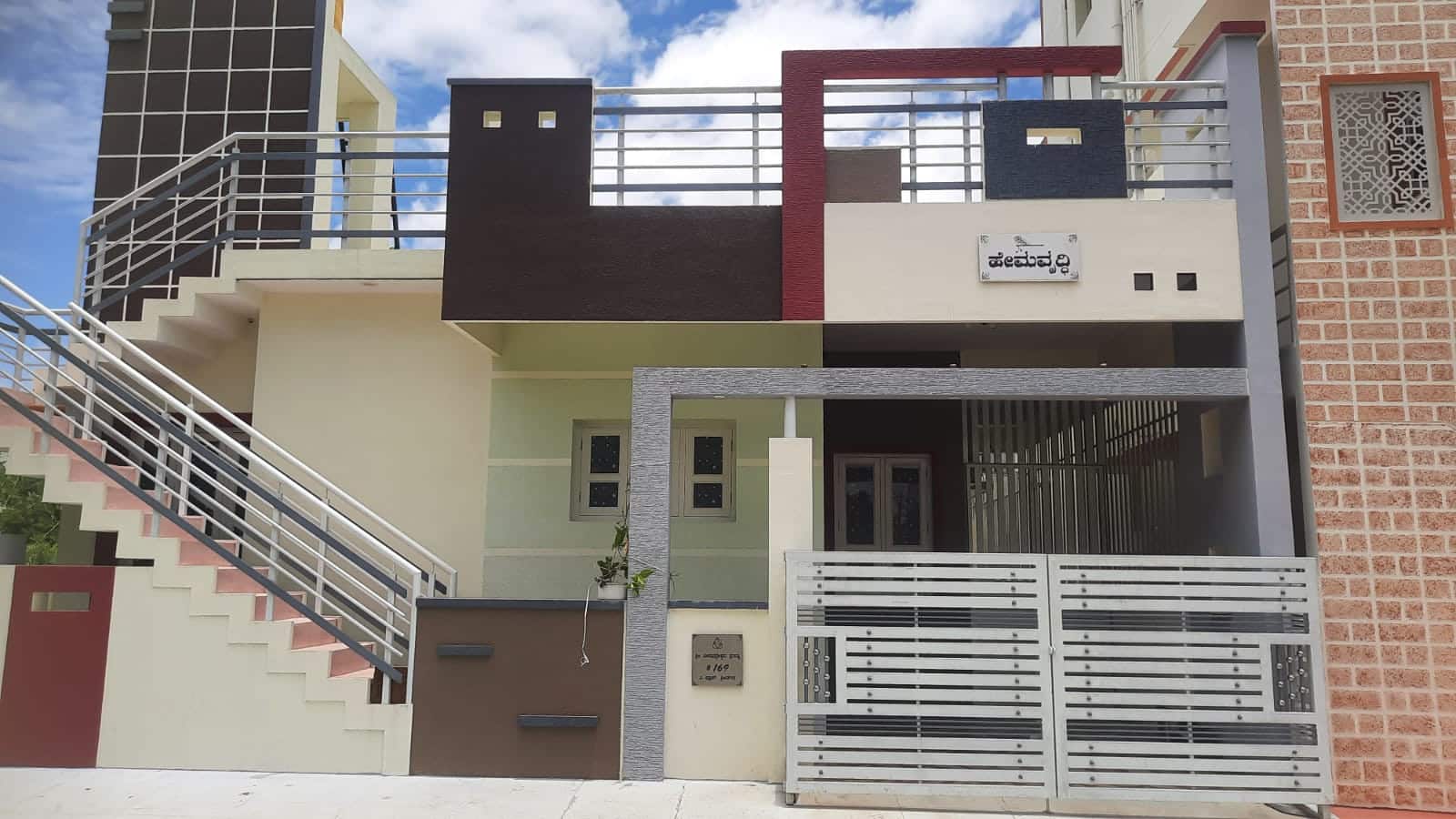
A resale house lets you see exactly what you are buying — which is an advantage only if you look properly. Fresh paint, a swept terrace and a pleasant morning visit can hide damp walls, tired wiring, a leaking sump or an extra floor that was never approved. Unlike a plot, a built house comes with a structure that has aged, services that may need replacing, and paperwork that must match what actually stands on the ground. This checklist walks you through what to inspect, room by room and document by document, so you know what you are taking on and can negotiate on facts rather than impressions. It is not a substitute for a professional: for anything structural, take a qualified civil engineer with you, and have a property lawyer review the documents before you pay.
Plan the inspection properly
Treat the inspection as a separate appointment from the first viewing. The first visit tells you whether you like the house; the inspection tells you whether it is sound.
- Take a civil engineer. An independent civil engineer — one you choose, not one suggested by the seller — can judge cracks, damp and the condition of the slab far better than any buyer. The fee is small beside the price of the house and the cost of a hidden defect.
- Go in daylight, and go more than once. Natural light shows stains and cracks that tube lights hide. If you can, visit once after heavy rain, when leaks and waterlogging show themselves.
- Ask questions in advance. When was the house built? Have floors or rooms been added since? When was it last rewired, re-plumbed or waterproofed? Has the terrace ever leaked? Has it been treated for termites?
- Take a torch, a notebook and your phone. Photograph anything that concerns you, and note which room it is in.
Fresh paint throughout is not a warning sign on its own, but it can hide stains and cracks, so look closely wherever the work is newest.
Walls, cracks and the structure
Almost every house has cracks. The skill is telling harmless ones from serious ones.
Fine, hairline cracks in plaster, often in straight lines or a spider-web pattern, usually come from the plaster shrinking as it dried and are generally cosmetic. Cracks that deserve a closer look include:
- diagonal cracks running from the corners of doors and windows;
- cracks that are wide, that show on both sides of a wall, or that seem to be growing;
- cracks in beams, columns or the underside of the roof slab;
- stepped cracks following the joints in brick or block walls;
- gaps opening between walls and floors, or doors and windows that jam or no longer close squarely.
Look at the ceiling in every room, especially under the terrace and bathrooms, for cracks, sagging or patches where plaster has fallen. Exposed, rusting steel bars in the slab, beams or columns — often visible where concrete has flaked away — are a serious sign that needs professional assessment.
Walk around the outside too. Look at the plinth and the base of the walls, at the compound wall, and at the joins between the original house and any later extension, where cracks commonly appear. Your engineer can tell you whether what you see is cosmetic, needs repair, or is a reason to walk away.
Damp, seepage and the roof
Water is the most common enemy of an older house, and the damage it does is often out of sight.
Inside, look for stains or tide marks on walls and ceilings, paint that is bubbling or peeling, plaster that sounds hollow when tapped, a musty smell, and white, powdery deposits — called efflorescence — where moisture has drawn salts out of the wall. Pay special attention to walls next to bathrooms and the kitchen, to the ceiling beneath the terrace and any overhead tank, and to the lower part of ground-floor walls, where damp can rise from below.
Then go up to the terrace. Ask whether it has been waterproofed and when; look for cracks, spots where water collects, blocked or too few rainwater outlets, and plants taking root in the parapet or walls. Check the underside of sunshades and balconies for cracking or exposed steel.
Seepage can often be repaired, but the cost and disruption depend on the cause. A failed terrace, a leaking concealed pipe and damp rising at the base of the walls are very different jobs. Ask your engineer to identify the likely source and give a rough idea of the work involved, then take it into account in your offer.
Plumbing, wiring, water storage and drainage
The services in a house age faster than its structure, and replacing them means breaking into walls and floors.
- Plumbing: run every tap and flush every toilet. Check the water pressure upstairs, look under sinks and around toilets for leaks, and ask what the pipes are made of; older houses often have galvanised iron pipes, which rust and narrow over time.
- Wiring: ask when the house was last rewired. Warning signs include too few sockets, extension boards everywhere, old fuses instead of circuit breakers, no earthing, scorch marks around switches and brittle-looking wires. An electrician can test the installation. Also compare the sanctioned load shown on the electricity bill with what you plan to run, such as air-conditioners.
- Sump and overhead tank: the sump, the underground water tank found in many Mysuru houses, should be clean, watertight, well covered and well away from any drainage chamber. Check the pump and the overhead tank too.
- Borewell: if there is one, ask whether it works all year and how it holds up in summer, and have the water tested.
- Drainage: find out whether the house is connected to underground drainage or uses a septic tank, open the chambers if you can, and check that waste water flows away freely. Note whether the house sits below road level, which can let rainwater flow in during heavy downpours.
The paperwork only a built house has
A built house needs every check a plot needs — title, Encumbrance Certificate, khata and approvals, all covered in our property documents checklist — plus a few that concern the building itself.
- The approved building plan versus what was built. Ask for the sanctioned plan and compare it with the house in front of you: the number of floors, the footprint, the open space around the building and any extensions. Extra floors or rooms built into the setbacks are common deviations, and they can cause problems with the authorities, with lenders and at resale. Our guide to building plan approval explains what a sanctioned plan covers.
- Completion or occupancy certificate. This is issued by the local authority to confirm that a building was completed in line with its sanctioned plan. It is not unusual for older independent houses not to have one, and the rules on when one is needed have changed over time, so ask your lawyer what its absence would mean for this house and for your loan.
- Property tax receipts. Check that tax is paid up to date, that the receipts are in the seller's name and that the details match the deed. Our guide to e-Khata explains what to look for in the property record.
- Utility bills in the owner's name. Recent electricity and water bills should be in the seller's name, with no arrears.
- Any existing home loan. If the seller still owes a bank on the house, closing that loan and returning the original documents must be built into the sale.
The neighbourhood around the house
You are buying the street as well as the house. Walk around the area at different times of day and, if you can, talk to the neighbours; they will tell you things no seller will.
- Water supply: ask how often municipal water comes, whether it is enough, and whether borewells nearby struggle in summer.
- Power: ask how often the power goes, and for how long.
- Flooding: ask whether the street or the house has ever flooded, and look for water marks on compound walls.
- Roads and access: note the condition of the road, how easily you reach the main roads, and how parking works on the street.
- Noise and nuisance: look out for workshops, function halls, busy junctions or late-night activity nearby.
- What might change: look for empty plots next door where a taller building could come up and block light, and ask about any proposed road widening.
- Everyday needs: check the journey to schools, clinics, shops, bus routes and work, at the times you would actually travel.
Notice, too, whether neighbouring houses show the same cracks or damp as the one you are considering. A problem shared along a street, such as a road that has been raised over the years, is worth knowing about before you buy.
Using what you find
By the end of the inspection you will have a list. Sort it into three piles.
Small items — a dripping tap, a sticking door, a cracked tile — are normal in any lived-in house. Larger repairs — rewiring, terrace waterproofing, replacing old plumbing — are fixable but cost real money, so get rough estimates and use them in negotiation, or ask the seller to complete the work before registration. Serious problems — significant structural cracking, a floor built without approval, a title or tax issue — may be reasons to walk away, however much you like the house.
Put anything agreed, whether a price reduction or repairs the seller will carry out, in writing in the sale agreement.
If you are looking for a resale house, you can browse current properties for sale in Mysuru. Siddaganga Real Estate has helped families buy and sell homes in the city for over twelve years, and can help with document verification, e-Khata, registration and home-loan assistance while you take the time to inspect properly.
Frequently asked questions
- Should I hire a civil engineer to inspect a resale house?
- Yes. An independent civil engineer can judge whether cracks are cosmetic or structural, trace the source of damp, assess the terrace and slab, and flag work that will be expensive to fix. Choose the engineer yourself rather than using someone the seller suggests, and ask for written notes you can use in negotiation. The fee is small compared with the cost of a hidden defect.
- What cracks in a house are serious?
- Cracks that are wide, growing, visible on both sides of a wall, running diagonally from the corners of doors and windows, or appearing in beams, columns or the roof slab deserve an engineer's attention. So do exposed, rusting steel bars. Fine hairline cracks in plaster are usually cosmetic, caused by shrinkage as the plaster dried. When in doubt, have an engineer inspect before you commit.
- What if the house does not match its approved building plan?
- Treat it as a serious issue to resolve before you buy. Extra floors, construction in the setbacks or other deviations can lead to problems with the authorities, affect your home loan and make resale harder. Ask a property lawyer what the deviation means for this particular house under the current rules, and factor the answer into your decision and your price.
- Is an occupancy certificate needed for a resale independent house?
- It depends on the house and on the rules that applied when it was built and apply now. It is not unusual for older independent houses not to have one, and the requirements have changed over time. Because its absence can matter for loans and resale, ask a property lawyer what it means for the specific house, and ask your lender whether it affects your loan.
This guide is general information, not legal, tax or financial advice. Rules, rates and procedures change — confirm the current position with a property lawyer, chartered accountant or the relevant authority before you act.