By Siddaganga Real Estate5 min read
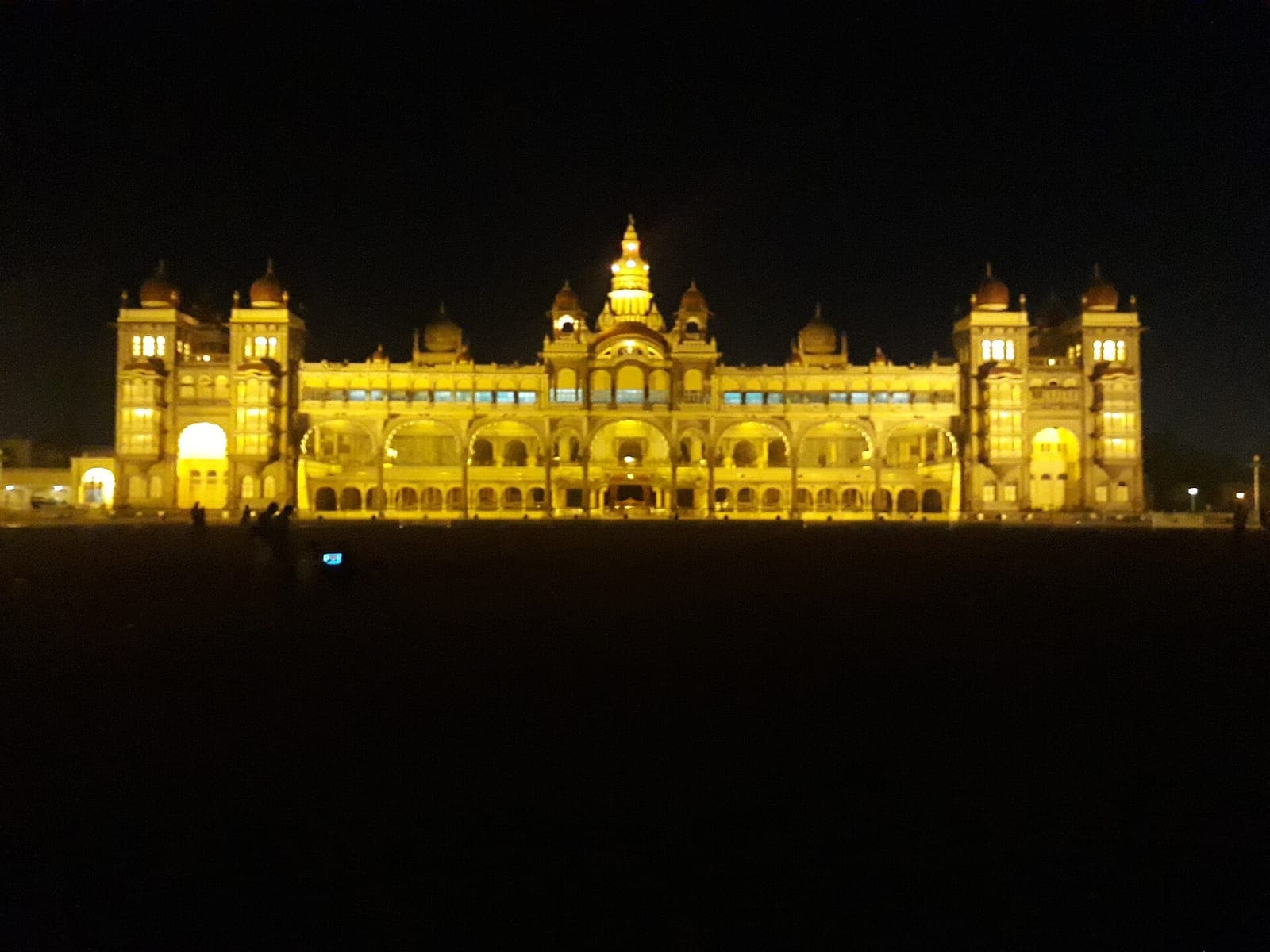
Your first Dasara in Mysuru will show you a side of the city you won't see the rest of the year. For a few weeks, everything turns towards one festival: the palace lit up in the evenings, elephants walking through town, cultural programmes on stages across the city, and visitors arriving from all over to see it. Here is what it is like to live through it, and how residents enjoy it without spending the festival stuck in traffic.
A festival the city lives, not just hosts
Dasara is Karnataka's state festival, the Nada Habba, and Mysuru is its home. It runs through the nine nights of Navaratri and ends on Vijayadashami. The celebrations open at the Chamundeshwari temple on Chamundi Hills, and much of what follows centres on Mysore Palace.
For residents, though, Dasara is not only a public spectacle. Many homes set up a bombe display during Navaratri, rows of dolls arranged on steps, and neighbours drop in to see each other's. On Ayudha Puja, vehicles, tools and machines are cleaned, garlanded and worshipped, so your street may fill with autos and scooters wearing flowers. Many schools close for the Dasara holidays, which shapes family plans for the season.
If a neighbour invites you in to see their bombe, go. It is one of the easiest ways to start feeling part of a street.
The palace, the lights and the elephants
Through the festival, Mysore Palace is illuminated every evening, its whole outline traced in lights. Many of the main roads, circles and public buildings are lit up as well, and an evening out to see them is part of the season.
The Dasara elephants arrive weeks before the festival and are looked after in the palace grounds. In the run-up, they are taken on practice walks along the procession route, often in the morning, to get them used to the roads and the crowds. If your morning route crosses theirs, meeting a line of elephants on the way to work is one of the stranger pleasures of living here.
Vijayadashami and the Jamboo Savari
The festival ends with the Jamboo Savari. A procession of decorated elephants, tableaux, folk troupes and bands sets out from the palace and makes its way through the city to Bannimantap, with the lead elephant carrying the idol of Goddess Chamundeshwari in a golden howdah. In the evening, a torchlight parade is held at the Bannimantap grounds.
Seeing it in person takes planning. People take their places along the route hours ahead, and the roads along it are closed to traffic for much of the day. Seating in the palace grounds and at Bannimantap is usually by pass or ticket, and the arrangements are announced each year, so watch for the official notices. The procession is also shown live on television, and watching at home, then heading out later when the streets are easier to move through, is a perfectly good way to enjoy the day.
The exhibition, the crowds and the traffic
The Dasara exhibition, on the grounds near the palace, opens during the festival and usually stays open for weeks after it. It is part fair, part market: stalls selling clothes, handicrafts and household goods, food, rides for children, and pavilions put up by government departments. Weekday evenings are usually calmer than weekends.
Dasara brings visitors from across Karnataka, the rest of India and abroad. Hotels get busy, and the roads around the palace, the central markets and the procession route are congested most evenings, especially at weekends. The police announce traffic diversions and parking arrangements for the busiest days. A few habits make the season easier:
- Check the official traffic advisories before driving into the centre, especially on Vijayadashami.
- See the lights on a weekday rather than a weekend, and park well away from the palace and walk in, or take an auto.
- Take young children and older relatives early in the festival, before the busiest final days.
- Look beyond the headline events: a flower show, food stalls, concerts and sporting events are spread across the city and through the festival.
House-hunting during the festival
If you are looking for a home while Dasara is on, plan site visits around the city's calendar. Weekday mornings are the easiest time to get around; evenings near the centre, and the procession day, are not. Allow extra time for anything that crosses the city, and remember that owners, and the people showing you round, may be busy with the festival themselves. Government offices close on the festival's public holidays, so plan any paperwork and registration for the working days around them.
There is one advantage to looking during the festive weeks: you see how a neighbourhood copes when the city is at its busiest. Notice whether your route to school or work runs past the palace or along the procession route, and how long it takes when the roads are full. Our site visit checklist covers what else to look at on the ground.
Part of why families choose Mysuru
For many families, Dasara is part of why Mysuru feels like home rather than just an address. Children grow up with the lights, the elephants and the dolls; grandparents have their own memories of it; and for all the crowds, the festival still belongs to the people who live here. It is worth weighing when you decide where to settle, alongside work, schools and the commute, which our guide to moving from Bengaluru to Mysuru covers in detail.
If you are house-hunting this season, you can browse current properties in Mysuru, and our office in JP Nagar can help you plan visits around the festival traffic.
Questions people ask
- What is the Jamboo Savari in Mysuru?
- It is the grand procession that closes Dasara on Vijayadashami. Decorated elephants, tableaux, folk troupes and bands travel from Mysore Palace through the city to Bannimantap, with the lead elephant carrying the idol of Goddess Chamundeshwari in a golden howdah. A torchlight parade follows in the evening at the Bannimantap grounds. Roads along the route close for much of the day, so check the official traffic notices before you travel.
- Is Mysore Palace lit up every evening during Dasara?
- Yes. The palace is illuminated in the evenings throughout the festival, and many of the city's main roads, circles and public buildings are lit up too. The centre gets very crowded, especially at weekends and in the final days, so a weekday visit is usually calmer. Park some distance away and walk in, and check the current timings and traffic advisories before you go.
- Is Dasara a public holiday in Karnataka?
- The main festival days, Mahanavami (Ayudha Puja) and Vijayadashami, are usually on Karnataka's list of public holidays, and many schools close for a longer Dasara break. Government offices and banks shut on the public holidays, which is worth remembering if you have paperwork or a property registration planned. The days follow the festival calendar, so check the state government's holiday list for the year.
Go deeper in our guides
General information, not legal, tax or financial advice. Confirm anything important with a property lawyer, chartered accountant or the relevant authority before you act.
More from the blog
All posts →
What Makes a Mysuru Neighbourhood Good for a Young Family
The right house on the wrong street is hard to love. A checklist for young families: the school run, safe roads, streetlights, water, neighbours, and when to visit before you choose.
· 5 minRead
The Questions Buyers Ask Us Most, Answered Plainly
MUDA approval, loans, registration costs, how long buying takes, whether now is a good time, and help after the purchase: plain answers to the questions we hear most.
· 4 minRead
Rent or Buy in Mysuru? The Questions That Actually Settle It
Rent or buy is less a question about the market than about you: how long you will stay, how steady your income is, and whether the down payment and the EMI genuinely fit.
· 4 minRead