By Siddaganga Real Estate4 min read
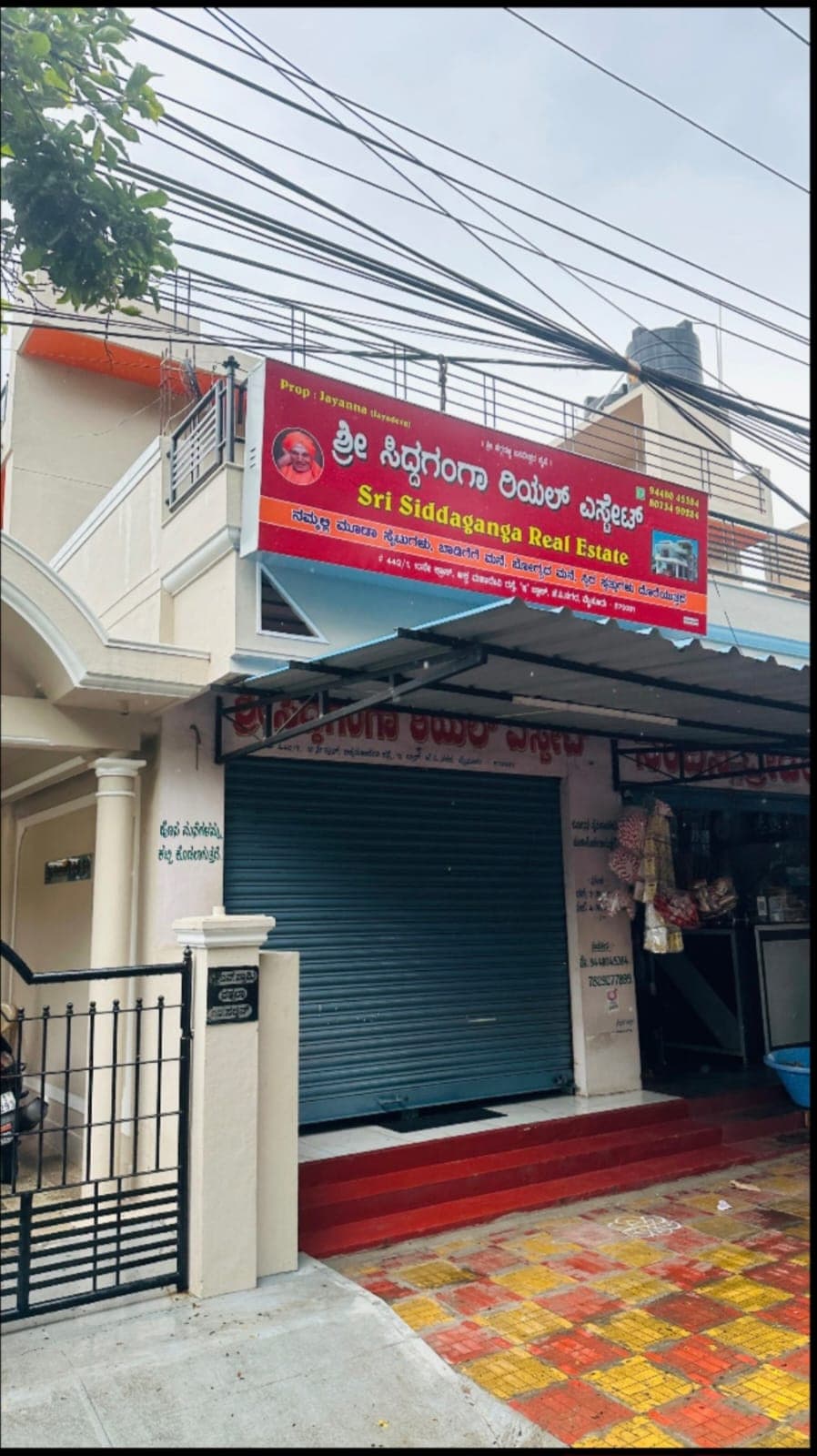
In our twelve years in Mysuru, the same handful of questions has come up at our office in JP Nagar, whatever the budget and whatever the property. Here they are, with the answers we give across the desk — including the ones that are not what people hope to hear.
Is this plot MUDA-approved, and how do I know?
Don't take anyone's word for it, including ours. Ask for the layout approval with its reference details and a copy of the approved layout plan, check that your plot number and measurements appear on it, and confirm the approval with MUDA, the Mysuru Urban Development Authority, which plans and approves layouts in its area.
Two things catch buyers out. "Approval in process" is not approval, and neither is the fact that the layout next door is approved. And approval is only half the picture: a plot can sit in an approved layout and still have a title problem, such as an old loan or a family dispute. Approval and clear title are separate checks, and our guide to MUDA-approved plots explains how to verify both.
Can I get a loan on it?
That depends on two things: you, and the property.
For you, lenders look mainly at your income, the EMIs you already pay, your age, how stable your job is and your credit score. For the property, the lender runs its own legal and technical checks before releasing money. A plot in an approved layout, with a clear title and a proper khata, is generally easier to finance; lenders are generally reluctant to fund sites in unapproved layouts, or on agricultural land that has not been converted.
It also matters whether you are buying a plot or a house. Plot loans usually fund a smaller share of the value than home loans, and many come with conditions, such as building within a period the lender sets. Our guide to plot loans and home loans sets out the differences. The final terms always rest with the lender, so talk to one before you commit to a property.
What will registration cost?
We won't quote a figure in an article, and it is worth being wary of anyone who gives you one from memory. Stamp duty and registration charges are set by the state and can change, and duty is generally worked out on the higher of the government's guidance value and the price you agree, so the answer depends on the specific property.
Our guide to stamp duty and registration in Karnataka explains how the charges work and where to check the current figure for your property: the Kaveri online system or the sub-registrar office. Budget, too, for the lawyer's fee, any loan charges and the khata transfer.
How long does buying take?
There is no honest single number, because the pace is set by a few things you can see coming:
- how quickly the documents come together and your lawyer can verify them;
- whether you are taking a loan, since the lender runs its own checks before it releases money;
- whether the seller has anything to clear first, such as their own loan on the property;
- booking registration through Kaveri and completing the final step at the sub-registrar office.
A purchase with complete, consistent papers usually moves more smoothly than one where a gap turns up halfway through. The way to buy quickly is not to rush the checks but to start them early. Be wary of anyone who suggests skipping one to save time.
Is now a good time to buy?
The honest answer: nobody can time the property market — not us, and not the message that says prices will rise next month. We don't make predictions, and we would be wary of anyone who does.
What you can judge is whether a particular property is right for you. If it fits your needs and your budget, the EMI sits comfortably beside your other commitments, and the papers check out, then it is a reasonable time for you to buy. If any of those is shaky, waiting is not a missed opportunity; it is a sensible decision.
Can you help after the purchase?
Yes. Registration makes you the owner, but the local body's record — the khata — still shows the seller until it is transferred to you, and that step is easy to forget. We help buyers with e-Khata and khata transfer after registration, and our khata transfer guide explains what is involved. For anything contested or unusual, a property lawyer should guide you.
If your question is not here, ask us: at the office, by phone or on WhatsApp.
Questions people ask
- Do I need my own lawyer if I buy through a property office?
- It is wise to have one. A property office can help you gather and understand the documents, but a property lawyer acting for you should review the title, the approvals and the Encumbrance Certificate before any money moves, and ideally draft or check the sale agreement and sale deed. A genuine seller, and a genuine agent, will not object to the checks.
Go deeper in our guides
- MUDA-Approved Plots & Sites in Mysuru: A Buyer’s Guide · Buying a Property
- Plot Loan vs Home Loan vs Composite Loan: Which One Do You Need? · Loans, Tax & Money
- Stamp Duty & Property Registration in Karnataka: A Buyer’s Guide · Legal & Documents
- Khata Transfer in Mysuru: Getting the Property Record in Your Name · Legal & Documents
General information, not legal, tax or financial advice. Confirm anything important with a property lawyer, chartered accountant or the relevant authority before you act.
More from the blog
All posts →
Rent or Buy in Mysuru? The Questions That Actually Settle It
Rent or buy is less a question about the market than about you: how long you will stay, how steady your income is, and whether the down payment and the EMI genuinely fit.
· 4 minRead
What Makes a Mysuru Neighbourhood Good for a Young Family
The right house on the wrong street is hard to love. A checklist for young families: the school run, safe roads, streetlights, water, neighbours, and when to visit before you choose.
· 5 minRead
Urgent Sale, Below Market Price? How to Read Those Property Messages
Owner abroad, token today, no time for a visit, papers with the lawyer: the patterns behind 'urgent sale' property messages, and why a genuine distress sale still has papers.
· 5 minRead