By Siddaganga Real Estate9 min read
Mysuru has long attracted people looking for a quieter place to settle after their working years, and it is easy to see why: a gentler pace, a strong cultural life, and days that do not revolve around traffic. But choosing a home for retirement is different from choosing one in your thirties. The house has to suit you in your late seventies as well: easy to move around, easy to look after, safe, and close to the help you might need. This guide covers what draws retirees to Mysuru, how to think about healthcare, what to look for in the home itself, the choice between a gated community and an independent house, and the planning (a will, nominations, joint ownership) that protects your family later. It is general information, not legal or financial advice.
Why Mysuru appeals in retirement
Life here moves at a gentler pace. The city is smaller than the metros, errands take less time, and many neighbourhoods are still mainly residential, with temples, parks and markets close by. The weather is pleasant for much of the year, though the weeks before the monsoon can be hot, so spend some time here in April or May before you commit, especially if heat bothers you.
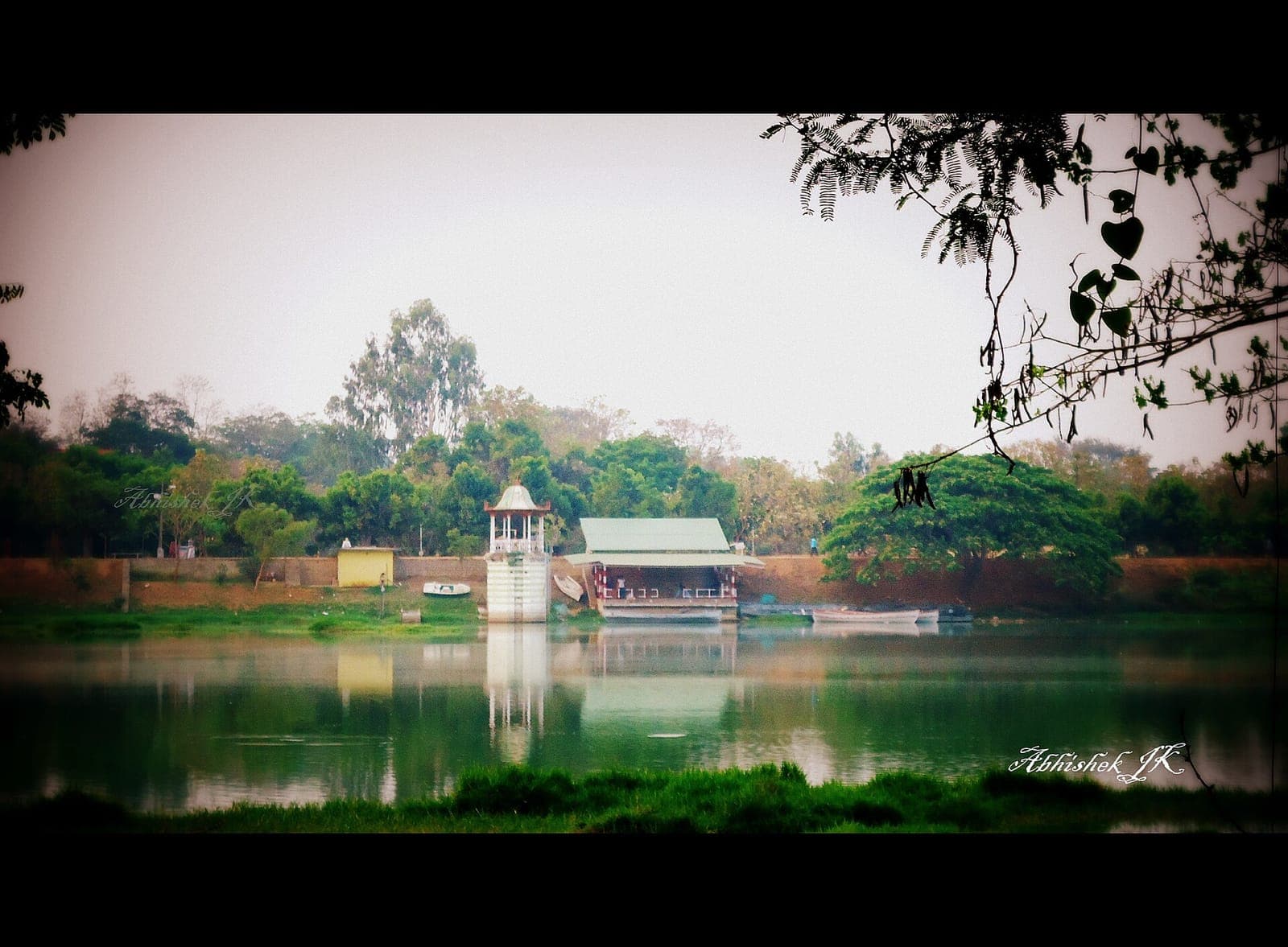
There is plenty to fill the days. Mysuru has a long tradition of classical music, and concerts and cultural programmes are part of city life, particularly around Dasara. Morning walkers are a familiar sight around Kukkarahalli Lake, and the more energetic climb the steps up Chamundi Hills. Temples, libraries, clubs and neighbourhood associations all offer ways to build a circle of friends.
Family is often part of the decision too. If your children work in Bengaluru, the expressway has made visits far easier. Many trips now take around two hours door to door, and less at quiet times, so they are close enough to come for a weekend, or to reach you quickly if you need them.
Healthcare: plan for the hospital you hope you won't need
For most retirees, access to healthcare matters more than any other feature of a location. Mysuru has multi-speciality hospitals as well as neighbourhood clinics, pharmacies and diagnostic laboratories, so the real question is how easily you can reach the care you would use.
- Decide which hospital you would go to in an emergency, then drive there from each home you are considering, at night and at the busiest time of day.
- Check that the road to your gate is wide enough for an ambulance and does not flood in heavy rain.
- Confirm which nearby hospitals are in your health insurer's cashless network.
- If you have an ongoing condition, make sure the specialist you need practises in Mysuru before you move.
- Ask whether nearby labs and pharmacies offer home sample collection and home delivery. On a bad day, this makes a real difference.
Find a family doctor soon after you arrive, while you are well. A doctor who already knows your history is worth a great deal when something goes wrong. Keep a simple file of prescriptions, reports and insurance papers, and tell a neighbour or family member where it is.
The home itself: easy to live in at every age
Buy for the person you will be in fifteen or twenty years, not only the person you are today. The most useful features are rarely the most expensive.
- Single-level living: a bedroom, bathroom and kitchen on the ground floor, so stairs become optional rather than a daily necessity.
- A step-free entrance, or room to add a gentle ramp later, and as few changes of level inside as possible.
- Bathrooms with anti-skid flooring, space for grab rails, and a shower area without a raised step.
- Wide doorways and passages that would allow a walker or wheelchair.
- Good natural light and ventilation, with switches and kitchen platforms at comfortable heights.
- A plot at or above road level, on a street that does not waterlog.
- A garden you can enjoy rather than one that becomes a chore.
If you prefer a flat, the ground floor, or a building with a reliable lift and power backup, matters more than the view from the top.
For a resale house, have the structure, plumbing, wiring and water arrangements checked before you commit. Our resale house inspection checklist covers what to look at. Grab rails and better lighting are easy to add later; a staircase you depend on is not easy to remove.
Security and everyday convenience
Feeling safe at home, and managing daily life without always needing a car, matter more with each passing year.
Look at the street as well as the house. Is it well lit at night? Are there neighbours on both sides who are home during the day? A house left empty for weeks while you visit children is more vulnerable, so think about who will keep an eye on yours. Sturdy doors, window grilles, a gate that locks properly and a simple camera or video doorbell are sensible basics. If you employ domestic help, a driver or a caretaker, ask the local police station whether it offers verification of domestic staff, and keep copies of their identity documents.
Then think about what reaches your door. Check which grocers, pharmacies and vegetable sellers deliver to the area, how far the nearest bank branch and ATM are, and whether autos are easy to find. A home within a pleasant walk of a temple, a park and a few shops keeps you active and gives you a reason to step out every day. Knowing the people on your street is one of the best forms of security there is.
Gated community or independent house?
Both suit retirees, for different reasons, and there is no single right answer.
A gated community offers security at the gate, maintained common areas and neighbours close by. Someone else is responsible when a streetlight or common pump fails, and your home can be locked and left while you travel. The trade-offs are monthly maintenance charges, which can rise over time, the association's rules, and decisions you do not fully control. Before buying, ask what the charges cover, how the association is run and whether it keeps proper accounts.
An independent house gives you privacy, control and often a garden, with no association to answer to. In a settled neighbourhood you also get shops, temples and long-standing neighbours around you. But all the upkeep is yours (the roof, the sump, the pump, the painting), and so is the security. Some retirees rent out an upstairs portion, which brings in some income and means someone else is around; if you do, choose tenants carefully and put a proper rental agreement in writing.
A flat in a well-run building is a third option for those who want the least maintenance. Our guide comparing a site, an apartment and an independent house goes through these trade-offs in more depth.
Paying for it without stretching yourself
Many retirees fund a home in Mysuru by selling a house or flat elsewhere, from savings, or both. Whatever the route, keep a healthy reserve for medical costs and emergencies rather than putting everything into bricks and mortar.
If you are selling another property to buy here, sort out the tax side before you sign anything. Property held for more than 24 months counts as long-term, and the rules include relief under Section 54 when the gain is reinvested in a residential house, subject to conditions. Our guide to capital gains tax on a property sale explains the basics, and a chartered accountant can work out your own position, since the rules can change with each Budget.
If you are considering a loan, remember that lenders look at age as well as income when deciding eligibility and tenure, so a short loan, or none at all, is often simpler at this stage. Budget, too, for the costs beyond the price: stamp duty and registration, any repairs or adaptations, furnishing, and the ongoing property tax and maintenance.
Plan ahead: a will, nominations and joint ownership
Planning for later is not gloomy; it is a kindness to the people you love. A little paperwork now can save your family months of difficulty.
- Make a will. A clear, properly witnessed will says who receives your home and other assets and helps avoid disputes. A lawyer can draft it, advise whether to register it, and help you update it as circumstances change.
- Review your nominations on bank accounts, deposits, insurance and investments. For many assets, a nominee receives the money on behalf of the legal heirs rather than automatically becoming its owner, and the rules differ between types of asset, so a nomination supports a will but does not replace one.
- Think carefully about joint ownership. Buying jointly with your spouse is common, but both owners must sign to sell or mortgage, and a co-owner's share does not necessarily pass to the survivor on its own. That depends on the deed, any will and the succession law that applies.
- Keep the sale deed, Encumbrance Certificate, Khata and tax receipts together, and tell your children where they are.
Our guide to transferring inherited property in Karnataka shows what your family would need to do later, which is a useful way to see what to put in order now. Confirm your own situation with a property lawyer.
When you are ready to look at homes, Siddaganga Real Estate has spent over twelve years helping families in Mysuru and can help you find a suitable house, check its documents and complete registration at your own pace. You are welcome to contact our JP Nagar office for an unhurried conversation.
Frequently asked questions
- Is Mysuru a good place to retire?
- For many people, yes. Mysuru offers a gentler pace than the big metros, pleasant weather for much of the year, a strong cultural life, and multi-speciality hospitals alongside neighbourhood clinics. Bengaluru is also within reach for family visits. Whether it suits you depends on the home and neighbourhood you choose, so spend time here, including in the hotter months, before you buy.
- Should retirees choose a gated community or an independent house?
- It depends on what you value. A gated community offers security, maintained common areas and less upkeep, in exchange for monthly charges and association rules. An independent house offers privacy, control and often a garden, but you handle every repair and your own security. Much depends on how much maintenance you want to manage and how often you will be away.
- What features should a retirement home have?
- Look for a bedroom, bathroom and kitchen on the ground floor, a step-free entrance, anti-skid bathroom floors with room for grab rails, wide doorways, good light and ventilation, and a plot that does not waterlog. Location matters just as much: a short, reliable route to the hospital you would use, and shops, a pharmacy and a park within easy reach.
- Should I buy a retirement home in joint names with my spouse?
- Joint ownership is common and can make sense, but it has consequences. Both owners usually need to sign to sell or mortgage the property, and a co-owner's share does not necessarily pass to the survivor automatically; that depends on the deed, any will and the succession law that applies. Discuss it with a property lawyer, and make wills whichever way you decide.
- Is a nomination enough, or do I still need a will?
- You still need a will. A nomination makes it easier for a bank or insurer to release money, but for many assets the nominee receives it on behalf of the legal heirs rather than becoming its owner, and the rules vary by type of asset. A clear will, drafted with a lawyer's help, says who should receive your home and other assets and helps your family avoid disputes.
This guide is general information, not legal, tax or financial advice. Rules, rates and procedures change — confirm the current position with a property lawyer, chartered accountant or the relevant authority before you act.