By Siddaganga Real Estate8 min read
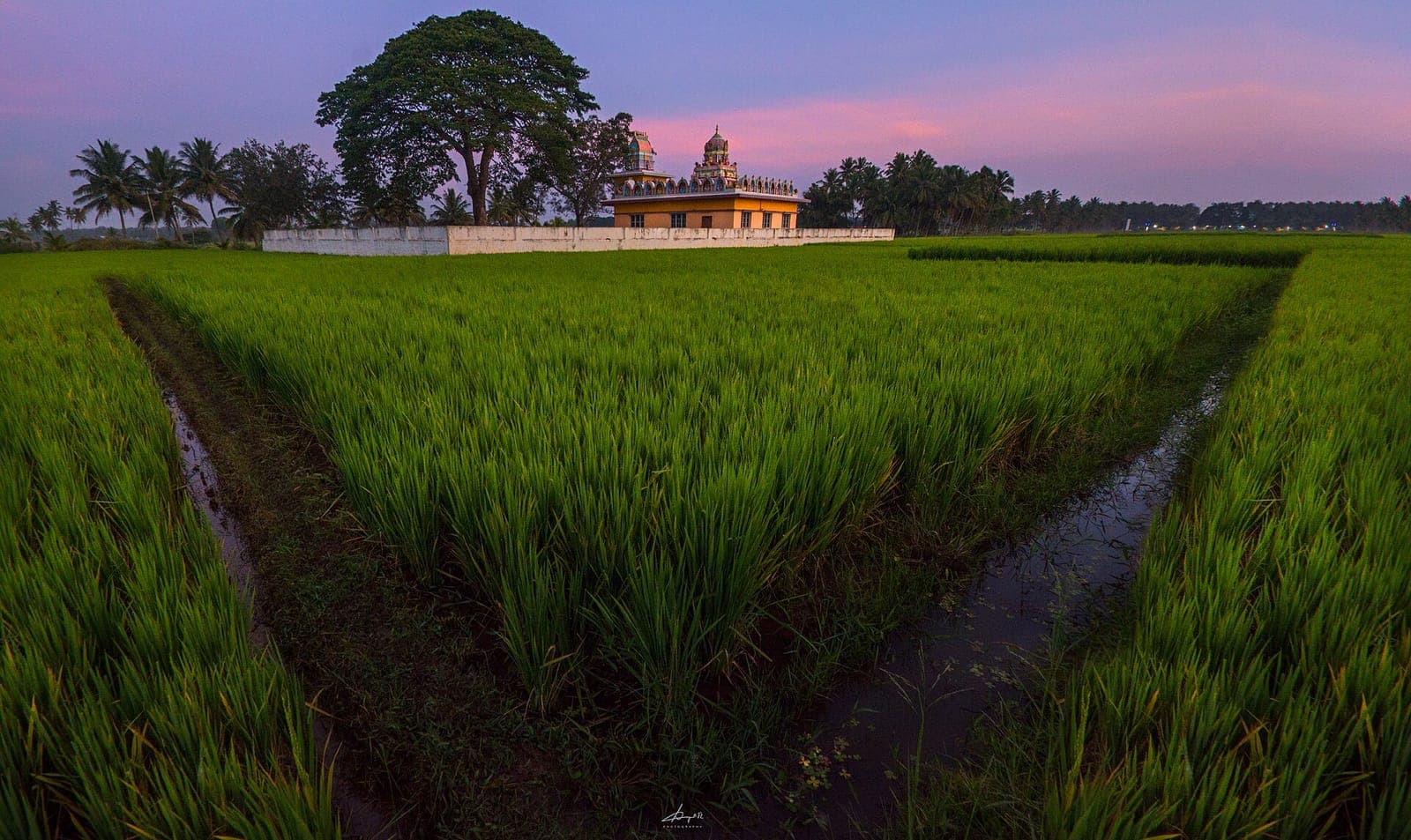
The green countryside around Mysuru draws many buyers who dream of a small farm, a weekend retreat or land to hold for the future, and "farm plots" and "managed farmland" are widely advertised. Agricultural land can be a rewarding thing to own, but it follows different rules from a residential site, and the risks are different too. This guide explains who can buy agricultural land in Karnataka, why NRIs and OCIs (non-resident Indians and Overseas Citizen of India cardholders) cannot, what to watch for in managed-farmland schemes, why you cannot simply build a house on farmland, and the checks to make on land records, water, boundaries, access roads and tenancy claims. It is general information, not legal advice. Before you buy, have a property lawyer who regularly handles agricultural land review the purchase.
Agricultural land is a different kind of property
A residential site in an approved layout is recorded with the municipal body through a khata, and it is meant to be built on. Agricultural land is different in almost every way:
- Records. It is recorded in the revenue department's land records — the RTC or Pahani (Record of Rights, Tenancy and Crops), available on the Bhoomi portal — rather than in a municipal khata.
- Use. It may be used only for agriculture unless it is formally converted to non-agricultural use.
- Identification. It is identified by village and survey number, sometimes with a sub-division (hissa) number, rather than by a site number in a layout.
- Finance. Many lenders will not give an ordinary home or plot loan against agricultural land, so check with your bank before you plan on borrowing.
- Resale. The pool of buyers is smaller, and sales can take longer.
None of this makes farmland a bad purchase. It means the checks are different, and what you know about buying a city site does not automatically apply here.
Who can buy agricultural land in Karnataka
For many years, Karnataka's Land Reforms Act contained restrictions that stopped non-agriculturists from buying agricultural land. A 2020 amendment to the Act removed those old restrictions. Other provisions of the Act and related laws may still apply to a particular purchase, and rules can be revised, so confirm the current conditions with a property lawyer before you commit.
One rule is clear and important. NRIs and OCIs cannot buy agricultural land, plantation property or farmhouses in India under the foreign exchange rules (FEMA). This applies however the land is described — a "farm plot", a "weekend farm", a share in a managed plantation or anything else. If you are an NRI or OCI, residential property is the route open to you, and our NRI guide to buying property in Mysuru explains how that works.
If anyone suggests a workaround to an NRI buyer — putting the land in a relative's name, for example — take independent legal advice before going anywhere near it. Arrangements like these can leave you with no secure claim to land you paid for.
The trouble with managed-farmland schemes
Around many growing cities, including Mysuru, you will see schemes that sell small pieces of agricultural land as "farm plots" or "managed farmland", often with plantations, a clubhouse, farm stays or the promise of a weekend home. Some are run carefully; others leave buyers with far less than they thought they had bought. The common risks:
- What exactly do you own? You may be buying an undivided share of a larger holding rather than a defined piece of land. Ask whether the RTC will show your name against a specific survey or sub-division number.
- Can the land be split this way at all? Whether small pieces of agricultural land can be separately recorded depends on the revenue rules, and a lawyer should confirm it before you pay.
- Can you build? The land is usually still agricultural, so a cottage or "farmhouse" may not be lawful without conversion and approvals.
- Promised income. Returns from crops or plantations are not guaranteed; they depend on the operator, the weather and the market.
- Control and exit. The operator may control access and management, and reselling a share can be hard.
For wider warning signs, see our guide to common property scams.
You cannot simply build a home on farmland
This is the point that catches most buyers out. Agricultural land must be converted to non-agricultural use — commonly called "DC conversion", because it is granted by the Deputy Commissioner under the Karnataka Land Revenue Act — before it can lawfully be used for a house or a residential layout. Conversion procedures have been simplified in recent years, but they still involve checks on the land and its records, and the rules can change, so confirm the current process.
Conversion is only the first step. A house on converted land still needs its building plan approved by the relevant local body, along with a lawful access road, water and a power connection.
Before buying farmland in the hope of building, ask a lawyer exactly what, if anything, you may build on it in its current status, whether conversion is realistic for this particular land, and what it would involve. If a seller says "conversion is easy" or "everyone builds here without it", treat that as a reason for more caution, not less. Our guide to DC conversion and land records in Karnataka explains the process and the records involved.
Checking the land records
Paperwork for agricultural land is different from, and in some ways more demanding than, the paperwork for a city site. With your lawyer, work through at least these:
- RTC / Pahani. Download the current RTC from the Bhoomi portal. Check that the owner's name, survey number and extent match what you are being sold, and look at the cultivation and tenancy details.
- Past RTCs and mutation records. These show how the land changed hands over the years. Gaps or sudden changes need an explanation.
- Survey sketch. Compare the official survey sketch with the land on the ground and with the extent in the sale documents.
- Title chain. Trace ownership back through earlier deeds, partitions and inheritance. Where land is family-owned, every co-owner and legal heir with a share usually needs to join the sale.
- Encumbrance Certificate. Check for loans and registered transactions; our guide to the Encumbrance Certificate explains how to read one.
- Origin of the land. Land originally granted by the government may carry restrictions on sale, so your lawyer should check how it was first acquired.
- Government plans. Ask whether the land is affected by any acquisition notice or public project.
If any record is missing or inconsistent, pause until it is explained.
Water, boundaries, access roads and tenancy claims
Four practical checks decide whether a piece of farmland is actually usable.
Water. Ask what the land relies on — a borewell, an open well, a canal or rain alone — and whether it lasts through the dry months. Neighbouring farmers often know more about this than any seller. If you plan a new borewell, check the current rules and any permission needed first.
Boundaries. Have a licensed surveyor measure the land against the survey sketch and fix the boundaries before you buy. Walk the boundary with the seller and, ideally, the neighbours, so everyone agrees where it lies.
Access. Confirm that the land has a legally recorded route to a public road. A cart track across a neighbour's field that "everyone uses" is not the same as a right of way, and access disputes are a common source of trouble with farmland.
Tenancy claims. Under Karnataka's land reforms, people who cultivated land as tenants were able to claim rights over it. Check the tenancy details in the RTC, ask who is cultivating the land today and on what terms, and have your lawyer confirm that no tenancy claim or case is pending.
Is agricultural land right for you?
Agricultural land suits people who genuinely want to farm, or to hold rural land for the long term, and who have the time to manage it and the patience to deal with revenue records. It is a poor fit if what you really want is a house you can build soon, a purchase funded by a loan, or an asset you can sell quickly.
If you do go ahead, buy only after a lawyer experienced in agricultural land has reviewed the records, a surveyor has measured the land, and you have seen the water, boundaries and access for yourself — in the dry season as well as after the rains.
If it turns out that a home site is closer to what you want, Siddaganga Real Estate has helped families in Mysuru for over twelve years with MUDA-approved plots and sites, and can help with document verification, e-Khata, registration and home loans. You can look through MUDA-approved plots in Mysuru or visit our JP Nagar office to talk it over.
Frequently asked questions
- Can a non-agriculturist buy agricultural land in Karnataka?
- Generally, yes. A 2020 amendment to Karnataka's Land Reforms Act removed the old restrictions that stopped non-agriculturists buying agricultural land. Other provisions and related laws may still apply to a particular purchase, and rules can be revised, so confirm the current conditions with a property lawyer before you pay anything.
- Can NRIs or OCIs buy agricultural land near Mysuru?
- No. Under FEMA rules, NRIs and OCIs cannot buy agricultural land, plantation property or farmhouses in India, however the land is marketed — including farm plots and shares in managed farmland. They can generally buy residential and commercial property instead. Confirm your own position with a lawyer or chartered accountant, and steer clear of anyone offering a workaround.
- Can I build a house on agricultural land?
- Not lawfully for residential use until the land has been converted to non-agricultural use, usually through DC conversion by the Deputy Commissioner, and even then the building plan must be approved by the relevant local body. Ask a lawyer what, if anything, you may build on the land in its current status before you buy.
- Are managed farmland plots a good idea?
- They carry real risks, so approach them carefully. You may own only an undivided share rather than a defined piece of land, the land is usually still agricultural so building may not be lawful, promised income is not guaranteed, and reselling can be hard. Have a lawyer confirm exactly what you will own, whether your name will appear on the RTC, and what the contract allows.
- What is an RTC and how do I check it?
- The RTC, or Pahani, is the Record of Rights, Tenancy and Crops — the basic record for agricultural land in Karnataka. It shows the owner, survey number, extent, cultivation and tenancy details, and you can view it on the Bhoomi portal. Check that it matches what you are being sold, and have a lawyer review past RTCs and mutation records too.
This guide is general information, not legal, tax or financial advice. Rules, rates and procedures change — confirm the current position with a property lawyer, chartered accountant or the relevant authority before you act.