By Siddaganga Real Estate9 min read

You will often hear that Mysuru is "the next big thing", or that prices near the expressway can only go one way. Claims like these are easy to make and impossible to check. What you can check is why people actually want to live, work and own property here. Understanding those forces helps you judge a specific plot or house on its merits: who would want to live in it, why, and what could change. This guide walks through the main drivers of property demand in Mysuru in 2026 — connectivity, jobs, education, heritage and tourism, retirees and people relocating from Bengaluru, and relative affordability — and then weighs them against the real risks. It deliberately contains no price forecasts or statistics, because nobody can promise where a property market will go.
Demand drivers, not predictions
Property prices are set by what buyers are willing and able to pay at a given moment, and that depends on far more than any single road or employer. Interest rates, the wider economy, how many new layouts come up and plain buyer sentiment all play a part. That is why this guide does not tell you what prices will do next year, and why anyone who claims to know deserves a polite but firm question: how?
Demand drivers are different. They are the reasons people choose a city and a neighbourhood — a job nearby, a good school, a manageable commute, a pleasant place to grow old. These reasons tend to change slowly, and you can see them for yourself on the ground. When several of them point at the same locality, it usually has a broad pool of people who might want to live there, which makes a property easier to rent, easier to sell and more comfortable to live in.
As you read the sections below, keep one question in mind for any property you are considering: which of these forces actually reach this particular street?
Connectivity: the expressway and the Outer Ring Road
The biggest change of recent years is the Mysuru–Bengaluru Expressway (NH-275), which opened in 2023 and significantly shortened road travel between the two cities. Many trips now take around two hours door to door, and less at quiet times. That has made several things more practical: visiting family in Bengaluru for the weekend, keeping a Bengaluru job on a hybrid schedule while living in Mysuru, or owning a second home that is no longer a full day's journey away.
Within the city, the Outer Ring Road encircles Mysuru and links the older neighbourhoods to newer layouts on the edges, which keeps the Ring Road belt well connected to the rest of the city. Mysuru Junction railway station and Mysuru Airport at Mandakalli complete the picture for longer journeys.
A word of caution: better roads do not lift every property equally. What matters is how easily a specific plot reaches these routes, and how good its internal roads are. We look at this more closely in our guide to the expressway and Mysuru property.
Jobs: IT, industry and services
People need homes near where they work, and Mysuru has a broader employment base than its calm reputation suggests. Infosys's Mysuru campus is a large and well-known employer, other IT and technology firms operate in the city, and Hebbal Industrial Area is home to a wide range of manufacturing and industrial units. There are further industrial areas around the city's outskirts.
Around these workplaces, a steady flow of employees — some settled, some on transfer, some just starting out — look for homes to rent and, over time, to buy. That is one reason neighbourhoods with an easy commute to these hubs, such as those around Hebbal, attract both tenants and buyers. Services add to this: hospitals, colleges, banks, government offices, shops and hotels all employ people who need somewhere to live.
The risk is concentration. When much of a pocket's demand depends on a small number of employers, a change in their hiring or a shift to remote work can soften rental demand there quickly. Look for areas that draw people for several reasons, not just one.
Education, healthcare and everyday life
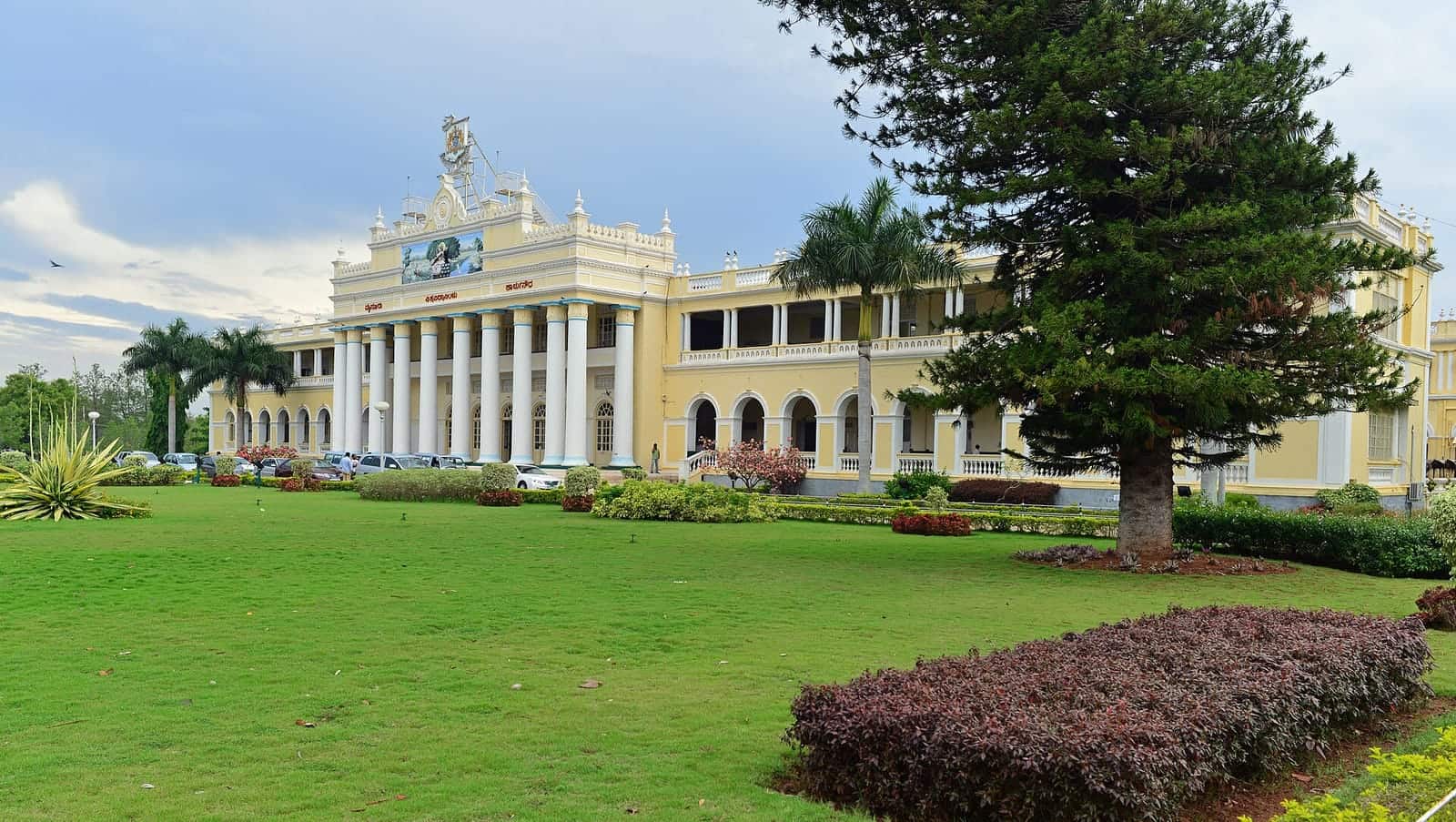
Mysuru has long been an education city. The University of Mysore, along with a wide range of colleges and professional institutions, draws students from across Karnataka and beyond, and many of them rent rooms or shared homes near their campuses. Families weigh schools heavily too, and a locality with well-regarded schools within easy reach usually has a dependable base of buyers and tenants.
Healthcare matters just as much, especially to older buyers. Being close to established hospitals and clinics is a common requirement for retirees and for families caring for elderly parents.
Then there is the quality of everyday life, which is hard to measure but easy to feel. Mysuru is widely valued for being greener, calmer and less congested than the big metros, with open spaces such as Kukkarahalli Lake and Karanji Lake and well-planned older neighbourhoods. For many buyers this is the real reason they choose the city, which is why livability deserves as much weight in your decision as any headline project.
Heritage and tourism
Mysore Palace, Chamundi Hills, the Dasara festivities and nearby attractions such as the KRS dam and Brindavan Gardens bring visitors through the year. Tourism supports hotels, restaurants, shops, transport and guides, and those jobs in turn support local housing demand.
Heritage also shapes the city's image. Many people who later buy in Mysuru first came to know it as visitors, and its cultural character — the festivals, the old markets, the sense of history — is part of what they are buying into.
Be clear about what tourism does and does not mean for a residential buyer. It mainly supports commercial and hospitality property. If you are thinking of earning from short-stay or holiday rentals, check the local rules, any association rules and the realistic occupancy outside the festival season before counting on that income. Homes near heritage sites and tourist spots may also face extra building restrictions and heavy traffic in peak season, so visit at busy times as well as quiet ones.
Retirees and families relocating from Bengaluru
Two groups of buyers deserve special mention. The first is retirees — from Mysuru itself, from Bengaluru and from abroad — who want a quieter pace of life, good healthcare within reach and a city where daily errands do not mean hours in traffic. Their needs tend to favour independent houses on manageable plots, easy ground-floor living and neighbourhoods with shops, temples, parks and clinics nearby.
The second is families and professionals relocating from Bengaluru. Some work remotely or on a hybrid schedule; others have found jobs in Mysuru; some want to be closer to parents. The expressway has made that move easier to contemplate, and property and everyday living in Mysuru are generally seen as more affordable than in Bengaluru — a comparison that holds broadly, though it varies a great deal by locality and property type. If this is you, our guide to moving from Bengaluru to Mysuru covers the practical side.
NRIs with family roots in the region add a further strand, often buying a plot or house to return to later.
The risks to weigh against the demand story
A strong story about a city does not make every property in it a sound purchase. Keep these risks in view:
- Hype on the fringes. Words like "expressway" and "ring road" are used to sell plots that are far from both. Measure the distance and travel time yourself.
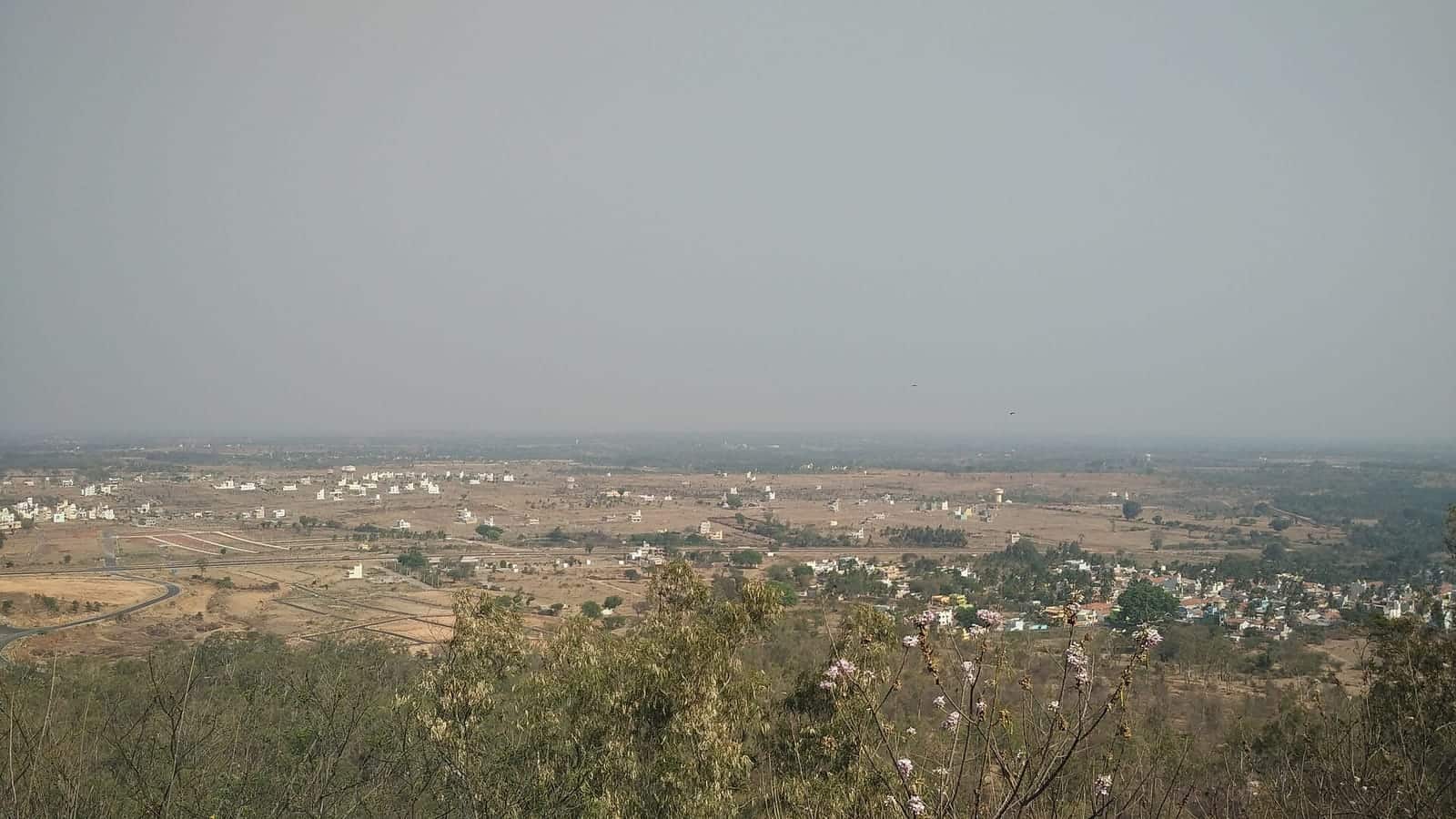
- Unapproved or unconverted land. Fast-growing edges attract layouts without proper approval or land conversion, which can be hard to build on, finance or resell. Our guide to MUDA-approved plots explains what to verify.
- Many similar plots competing. Where many new layouts come up at once, comparable plots may stay on offer for years, which can make selling slow.
- Infrastructure that arrives late. Roads, drains, water and power in new layouts sometimes take longer than promised.
- Concentrated demand. A pocket that depends on one employer or one project is exposed if that changes.
- Liquidity. Property takes time to sell, so money you may need at short notice is better kept elsewhere.
None of this means you should not buy. It means the individual property, not the city's reputation, has to justify your decision.
Using demand drivers to judge a specific property
Here is a simple way to put all of this to work when you look at a plot or house:
- Ask who would want to live here, and why. If you can name several kinds of people — families, employees, retirees — that is a good sign.
- Check the commute to the workplaces, schools and hospitals that matter, at the hours people actually travel.
- Walk the neighbourhood. Are homes occupied, shops open, streets lit? Talk to residents.
- Notice what else is for sale nearby and how long similar properties seem to stay unsold.
- Verify approvals, title and documents before any money changes hands.
For a locality-by-locality view, see our guide to areas to consider in Mysuru.
If a local perspective would help, Siddaganga Real Estate has spent over twelve years helping families and investors in Mysuru, with MUDA-approved plots, independent houses and villas, and help with document verification, registration and home loans. You can browse current properties or visit our JP Nagar office for an unhurried conversation.
Frequently asked questions
- Is Mysuru a good place to invest in property in 2026?
- It can be, for the right property and the right reasons. Mysuru has genuine demand drivers — easier travel to Bengaluru, IT and industrial jobs, education, healthcare and a livable city that attracts retirees and families. But no one can promise prices will rise, and a sound city does not make every plot a sound buy. Choose approved, clear-title property in a locality several kinds of people want to live in, and buy only what you are comfortable holding for years.
- Has the Mysuru–Bengaluru Expressway increased demand for property in Mysuru?
- It has made Mysuru far easier to reach from Bengaluru, and that is one of the reasons people now consider living or owning property here, especially hybrid workers and families with parents in either city. Its effect on any single property, though, depends on how easily that property reaches the expressway and the city's main roads. Be wary of plots marketed as "near the expressway" that are in fact a long drive from it.
- Who is buying property in Mysuru?
- A mix of people: local families upgrading or building their own homes, IT and industrial employees, retirees looking for a calmer city, families relocating from Bengaluru, NRIs with roots in the region, and investors. Each group wants something different — a short commute, good schools, nearby healthcare, space to build — which is why the same city suits very different properties.
- What are the main risks of buying property in Mysuru as an investment?
- The main risks are buying on hype rather than facts, choosing unapproved or unconverted land, holding a plot where many similar plots compete for buyers, delays in promised infrastructure, and the plain fact that property takes time to sell. Checking approvals and title, visiting in person and keeping money you may need soon out of property all reduce these risks.
- Will property prices in Mysuru go up?
- Nobody can say for certain, and this guide makes no forecasts. Prices depend on interest rates, the wider economy, new supply, local demand and buyer sentiment, all of which change. What you can do is understand why people want to live in a particular area, verify the property thoroughly, and buy something you would be comfortable owning even if prices stayed flat for a while.
This guide is general information, not legal, tax or financial advice. Rules, rates and procedures change — confirm the current position with a property lawyer, chartered accountant or the relevant authority before you act.