By Siddaganga Real Estate8 min read
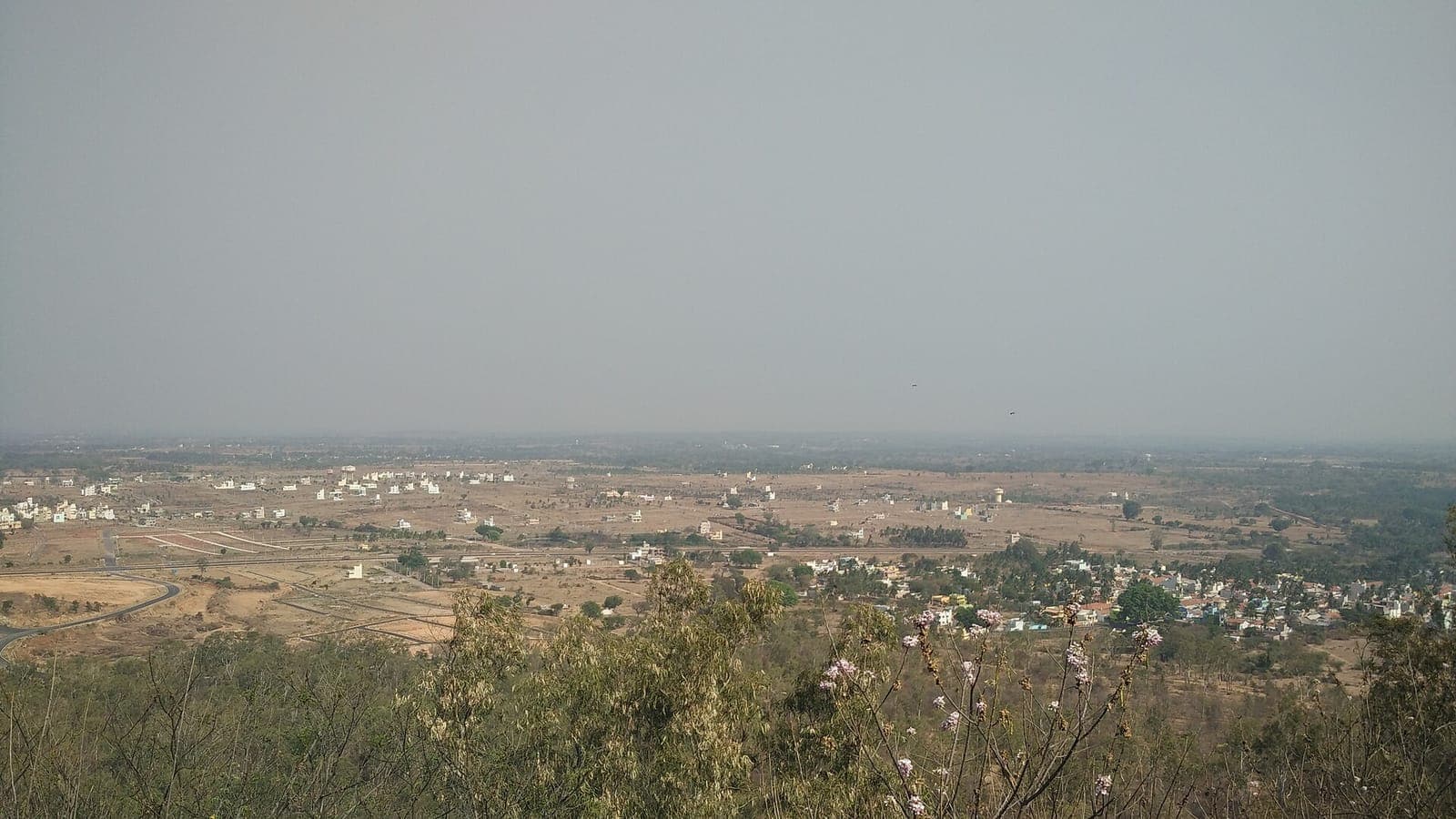
For many families in Mysuru, buying a plot is the first step towards a future home, or a way to hold something solid for the children. Land is simple to understand: there is no building to age, no tenant to manage and very little to maintain. But holding a plot for years is not the same as putting money in a locker. It has real costs and real risks, and it pays you nothing until you build or sell. This guide explains why people choose plots as a long-term holding, the risks worth weighing honestly, how to choose a plot you can hold with confidence, how to look after it while you wait, and what to think about when the time comes to sell or build. It makes no predictions about prices.
Why people choose plots to hold
People buy plots to hold for a handful of good reasons, and it helps to be clear which one is yours.
- A future home. Many buyers want to build later, once finances, family or retirement plans are settled, and a plot lets them secure a location now.
- Flexibility. You decide when to build, what to build and whether to build at all. A plot can later become a family home, a house with a portion to let, or simply be sold.
- Low upkeep. There is no roof to leak and no tenant to manage. Land does not wear out the way a building does.
- Something tangible. Many families simply prefer owning land they can visit and see.
- Something to pass on. A clear-title plot is a straightforward asset to leave to the next generation.
Notice what is missing from that list: a promise of appreciation. Land values can rise, stay flat or fall for long stretches, and nobody can tell you in advance which a particular plot will do. Buy for reasons that still make sense to you if prices stay flat.
The risks that come with holding land
The risks of holding a plot rarely come up at the site visit, so it is worth setting them out plainly:
- Liquidity. A plot can take months, sometimes longer, to sell, and you cannot sell a slice of it when you need a little cash.
- No income. An empty plot earns nothing while you hold it.
- Holding costs. Property tax, fencing, upkeep, visits and loan interest if you borrowed all add up year after year.
- Encroachment. Unwatched plots can be occupied, used for dumping or have their boundary stones moved, and removing an encroacher can be slow and expensive.
- Approval problems. Plots in unapproved layouts, on land that was never properly converted, or with incomplete records can be hard to build on, finance or sell.
- Infrastructure delays. Roads, drains, water and power in new layouts sometimes arrive years later than promised.
- Planning changes. A plot may be affected by a future road or public project, so ask MUDA or the relevant authority what the current plan shows for the area.
These are reasons to choose carefully and stay involved, not reasons to avoid land altogether.
Choosing a plot you can hold with confidence
A plot you plan to keep for years needs to be one you never have to worry about on paper. Start with approval and title: a layout approved by the right authority, a clear chain of ownership and a clean encumbrance record. Our guide to MUDA-approved plots explains what to verify and how.
Then look at the ground itself:
- Infrastructure. Prefer layouts where roads, drains, water and power are in place or visibly under way, rather than promised in a brochure.
- Road width. Wider roads make access easier, and in many planning rules the road a plot faces also affects what you may build on it. Ask MUDA or an architect how this applies.
- Shape and size. A regular shape and a size that suits the house you might build keep your options open, and those of a future buyer.
- Neighbourhood. A layout where some families already live is usually easier to keep an eye on than an empty one.
- Finance. A plot that lenders are comfortable with is usually easier to sell later, because your buyer may need a loan too.
Looking after a plot you hold
Owning a plot for the long term is not a buy-and-forget decision. A little regular attention protects it:
- Mark and fence it. Fix boundary stones to the approved measurements and consider a fence or compound wall. A board with the owner's name and a contact number also signals that someone is watching.
- Pay property tax every year to the local body and keep the receipts safely. Unpaid dues cause problems at sale time.
- Keep the khata — the local body's property record — in your name. If the record still shows the previous owner, sort it out now; our guide to khata transfer in Mysuru explains how.
- Visit periodically, or ask a trusted relative or neighbour to check, and take dated photographs each time.
- Check the Encumbrance Certificate now and then to confirm that no transaction you did not make has been registered against the plot.
- Keep the originals safe, with copies stored separately, and tell your family where they are.
- Stay in touch with neighbours or the residents' association, who are often the first to notice anything wrong.
If you do find an encroachment, act quickly and take a lawyer's advice.
Counting the true cost of holding
Before you buy, add up what the plot will really cost you over the years you expect to hold it. The price is only the start:
- Stamp duty and registration charges at purchase, explained in our guide to stamp duty and registration in Karnataka
- Legal verification and other purchase costs
- Fencing or a compound wall
- Property tax each year
- Travel for visits, or a fee for someone to check on the plot
- Loan interest, if you borrow
On borrowing: many lenders offer plot loans, but they usually finance a smaller share of the value than a home loan does, and terms vary by lender. Our guide to plot loans vs home loans explains the difference.
This is not a calculation of profit, which nobody can know in advance. It is an honest picture of what you are committing to, so that you choose a plot and a holding period you can comfortably afford, even if it takes longer than you hoped to build or sell.
Exiting: selling the plot or building on it
Every long-term holding ends in one of two ways: you sell, or you build. Plan for both from the start.
If you sell, the buyer and their lender will ask the same questions you asked: approval, title, encumbrance, khata and tax receipts. A plot with a complete, tidy file and clear boundaries is simply easier to sell. Allow time, since finding the right buyer for land can take a while, and try never to be in a position where you must sell in a hurry.
Tax matters too. A plot held for more than 24 months is treated as a long-term capital asset. How any gain is taxed, and the exemptions available if you reinvest it, are explained in our guide to capital gains tax on a property sale. Confirm your own position with a chartered accountant before you sell, because the rules change with the Budget.
If you build instead, the plot becomes a home or a rental, and a new set of decisions begins: design, plan approval, choosing a contractor and setting a realistic budget. It is worth reading up on each of these well before the first brick is laid.
Is a plot the right long-term holding for you?
A plot can be a sensible long-term holding if you have a clear purpose for it, money you will not need at short notice, and the patience to look after it. It is a poor fit if you need regular income, may need the money back quickly, or cannot keep an eye on it, directly or through someone you trust.
If it does suit you, choose an approved, clear-title plot in a layout with visible infrastructure, keep its records up to date, visit it regularly and plan your exit before you buy.
Siddaganga Real Estate has helped families and investors in Mysuru for over twelve years, with a focus on MUDA-approved plots and sites, and can help with document verification, e-Khata, registration and home loans. You can look through plots currently available in Mysuru, and when the time comes to sell, our page for sellers explains how we can help. Or simply drop in at our JP Nagar office for a chat.
Frequently asked questions
- Is buying a plot a good long-term investment?
- It can be, if you buy for a clear purpose, choose an approved, clear-title plot and can hold it without needing the money back soon. A plot earns no income, has yearly holding costs and can take time to sell, and nobody can promise its value will rise. Many families buy plots mainly to build a home later, treating any change in value as secondary.
- How do I protect a vacant plot from encroachment?
- Fix boundary stones and fence the plot, put up a board with the owner's name and contact number, and visit regularly or have someone you trust check on it. Pay property tax every year, keep the khata in your name and check the Encumbrance Certificate from time to time. If you find an encroachment, act quickly and take a lawyer's advice.
- Do I have to pay property tax on a vacant plot?
- Generally, yes. Local bodies such as Mysuru City Corporation levy property tax on vacant land as well as on buildings, and the amount depends on the plot and the local body's current rules. Pay it every year and keep the receipts, because unpaid dues can hold up a sale, a khata transfer or a building plan approval later.
- Can I get a loan to buy a plot?
- Yes, many lenders offer plot loans, usually for plots in approved layouts. They typically finance a smaller share of the value than a home loan, and the terms vary by lender. Some lenders also offer combined loans for buying a plot and building on it. Compare a few lenders and ask each what they require for the specific plot.
- How long should I hold a plot before selling?
- There is no right answer; it depends on why you bought it and what you need. For tax, a plot held for more than 24 months is treated as long-term, which changes how any gain is taxed, so check the timing with a chartered accountant. Beyond that, avoid buying with money you may need soon, so you are never forced to sell in a hurry.
This guide is general information, not legal, tax or financial advice. Rules, rates and procedures change — confirm the current position with a property lawyer, chartered accountant or the relevant authority before you act.